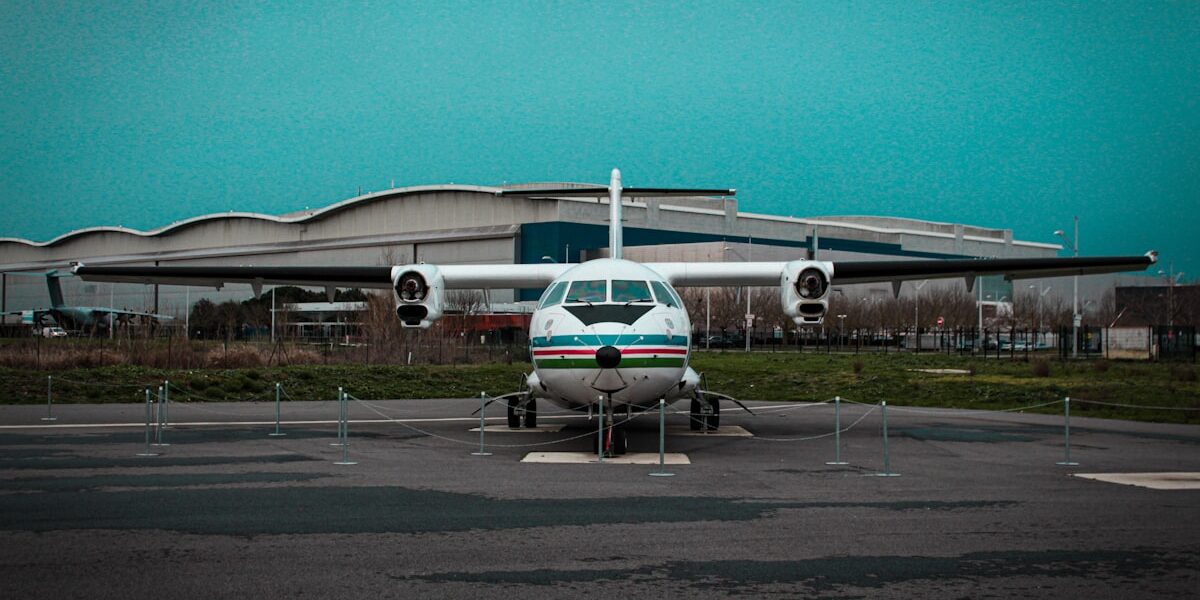
Shade hangars offer economical aircraft protection in climates where full enclosure isn’t essential. These open-sided structures provide sun and precipitation coverage while maintaining airflow and reducing costs compared to fully enclosed hangars.
What Are Shade Hangars?
Basic Design
Shade hangars typically feature:
- Solid roof for sun and rain protection
- Open sides (completely or partially)
- Steel frame construction
- Concrete pad flooring
Variations
- Full open sides: Maximum airflow, minimum protection
- Partial walls: Protection from prevailing weather while maintaining ventilation
- Fabric sides: Roll-up or removable panels for flexibility
Advantages of Shade Hangars
Cost Savings
- Lower construction cost (50-70% of enclosed hangars)
- Reduced rental rates at airports
- No doors to maintain or repair
- Lower insurance requirements at some airports
Climate Suitability
Ideal for regions with:
- Mild temperatures year-round
- Minimal snow or freezing precipitation
- Primary concern being sun damage
- Low theft or vandalism risk
Operational Benefits
- Quick access without door operation
- Better ventilation prevents moisture buildup
- Multiple aircraft visible for quick selection
- Natural lighting during daylight hours
Limitations to Consider
Security Concerns
- Aircraft visible and accessible to passersby
- No lock-up protection for valuables left aboard
- Less deterrent to vandalism or theft
Weather Exposure
- Wind-driven rain can reach aircraft
- Dust and debris blow through
- No protection from extreme temperatures
- Birds and wildlife may nest or roost
Maintenance Considerations
- Aircraft covers still recommended for long-term storage
- More frequent exterior cleaning needed
- Interior may need protection from blowing dust
Regional Suitability
Best Locations
- Southwest desert regions (Arizona, New Mexico)
- Southern California
- Florida (with hurricane considerations)
- Hawaii and tropical climates
Poor Choices
- Northern states with winter weather
- Coastal areas with salt air exposure
- High-crime areas
- Regions with frequent severe weather
Making Shade Hangars Work
Supplemental Protection
Maximize shade hangar benefits with:
- Quality aircraft covers for cockpit and wings
- Pitot tube and intake covers
- Wheel chocks and tie-downs
- Secure lockbox for valuables
Aircraft Preparation
- UV-protective treatments for paint and interior
- Interior covers for instruments and upholstery
- Regular cleaning to remove accumulated dust
Cost Comparison
Typical Pricing
- Shade hangar: $150-400/month (varies by region)
- T-hangar: $300-800/month
- Box hangar: $500-1,500+/month
Value Calculation
Consider total cost of ownership:
- Monthly rent savings
- Cost of aircraft covers and protection
- Increased maintenance from exposure
- Potential paint and interior degradation
Shade hangars provide practical, economical solutions for aircraft protection in appropriate climates. Evaluate your specific situation carefully to determine if the cost savings justify the reduced protection compared to fully enclosed hangars.



Stay in the loop
Get the latest wildlife research and conservation news delivered to your inbox.