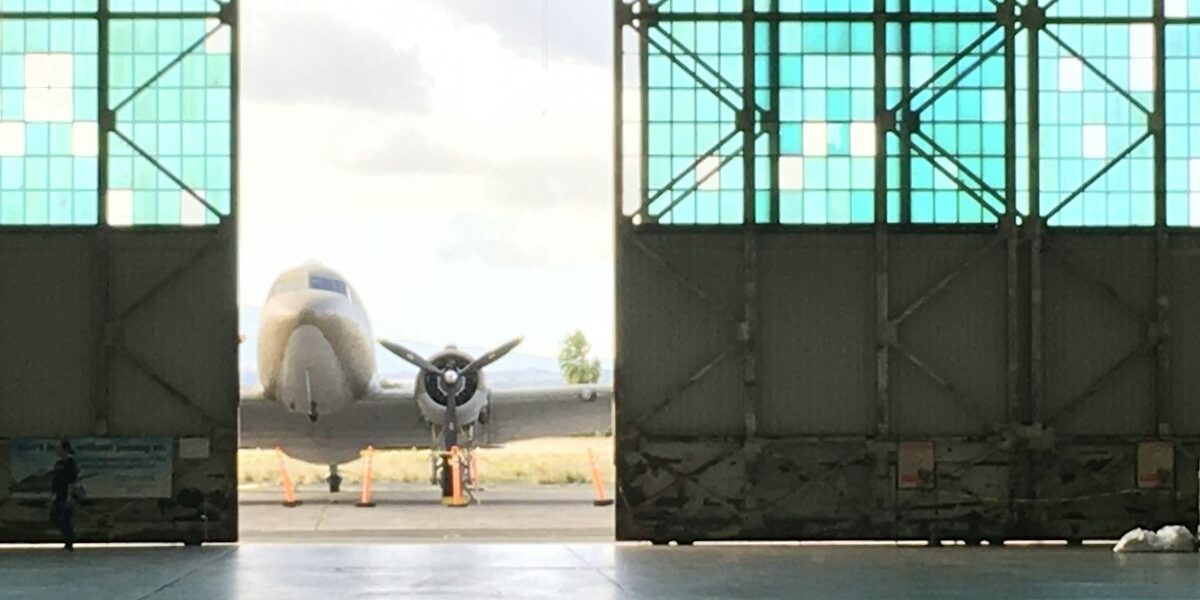
Proper hangar lighting transforms your workspace from a dim storage building into a productive environment for aircraft maintenance, preflight inspections, and project work. Modern LED technology offers exceptional options for hangar illumination with lower operating costs than traditional fixtures.
Lighting Requirements
Recommended Light Levels
Different hangar activities require varying illumination:
- General storage: 20-30 foot-candles
- Aircraft parking/movement: 30-50 foot-candles
- Maintenance work: 50-75 foot-candles
- Detailed inspection: 100+ foot-candles (task lighting)
Coverage Calculations
Calculate fixture requirements based on hangar dimensions, ceiling height, and desired light levels. Higher ceilings require higher-output fixtures or closer spacing to achieve adequate coverage.
LED High Bay Fixtures
Advantages
LED high bays dominate modern hangar lighting:
- 50,000-100,000 hour lifespan (10-20 years typical)
- 70-80% energy reduction versus metal halide
- Instant-on operation with no warm-up time
- Excellent color rendering for detail work
- Minimal heat generation
Selection Criteria
- Lumen output: 15,000-40,000 lumens per fixture typical
- Color temperature: 4000-5000K for workshop visibility
- CRI (Color Rendering Index): 80+ minimum, 90+ preferred for maintenance
- IP rating: IP65 or higher for dusty/humid environments
Fixture Placement
Height Considerations
Mounting height affects light distribution:
- 20-25 foot ceilings: Use UFO-style high bays
- 15-20 foot ceilings: Linear high bays work well
- Under 15 feet: Shop lights or low bay fixtures
Spacing Guidelines
Space fixtures at approximately 1-1.5 times the mounting height for even coverage. Avoid placing fixtures directly over aircraft parking positions where they may cause glare during maintenance.
Task Lighting
Workbench Lighting
Supplement overhead lighting at workbenches with:
- Under-cabinet LED strips
- Adjustable arm task lights
- Magnifying lights for detail work
Portable Work Lights
Cordless LED work lights provide illumination where needed:
- Inside engine cowlings
- Wheel wells and landing gear areas
- Interior cabin work
- Nighttime preflight inspections
Control Systems
Basic Switching
Zone lighting controls allow illuminating only needed areas, saving energy and reducing costs. Consider separate switching for:
- Aircraft parking area
- Workshop zone
- Storage areas
- Exterior fixtures
Advanced Controls
- Occupancy sensors: Automatic on/off based on presence
- Daylight harvesting: Dimming based on available natural light
- Smart controls: Phone or voice activation
Natural Light Integration
Maximize daylight when possible:
- Translucent roof panels or skylights
- Window placement for ambient light
- Light-colored interior surfaces to reflect available light
Emergency Lighting
Code-required emergency lighting ensures safe egress during power failures. Battery-backed exit signs and emergency fixtures activate automatically when power fails.
Well-designed hangar lighting improves safety, productivity, and enjoyment of your aviation space while reducing long-term operating costs through efficient LED technology.



Stay in the loop
Get the latest wildlife research and conservation news delivered to your inbox.