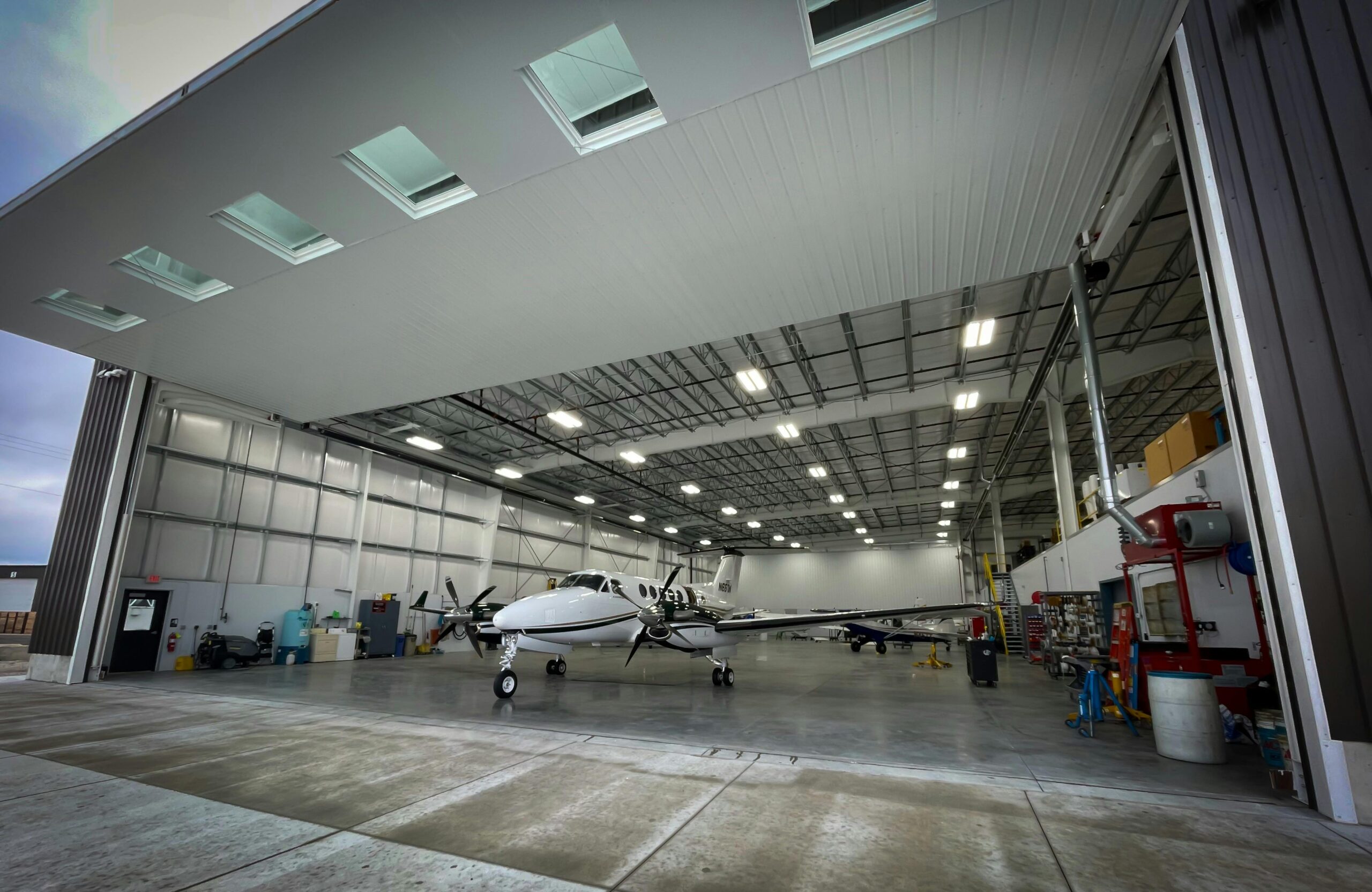
Protecting your aircraft and hangar from fire requires understanding the various suppression systems available and their suitability for aviation environments. From traditional FM-200 systems to modern foam alternatives, each technology offers distinct advantages and considerations for hangar owners.
Understanding Hangar Fire Risks
Aircraft hangars present unique fire challenges. Aviation fuel, lubricants, and composite materials create significant hazard profiles. Electrical systems, maintenance equipment, and stored materials add complexity. Effective fire suppression must address these specific risks while protecting valuable aircraft and equipment.
FM-200 Systems
How FM-200 Works
FM-200 (heptafluoropropane) is a clean agent that suppresses fire through heat absorption and chemical interference with combustion. It leaves no residue and is safe for occupied spaces when properly designed.
Advantages
- No water damage to aircraft or electronics
- Rapid discharge—typically under 10 seconds
- Safe for people at design concentrations
- No cleanup required after discharge
- Electrically non-conductive
Considerations
- Higher initial cost than water-based systems
- Requires sealed enclosure for effectiveness
- Limited effectiveness in very large or open spaces
- Refilling after discharge is expensive
Foam Suppression Systems
High-Expansion Foam
High-expansion foam systems fill spaces rapidly with lightweight foam that smothers fires. Particularly effective for flammable liquid fires common in aviation settings.
AFFF (Aqueous Film-Forming Foam)
AFFF creates a film over fuel surfaces, preventing vapor release and reignition. Standard in military and commercial aviation fire protection but facing environmental scrutiny due to PFAS content.
Fluorine-Free Foams
Newer fluorine-free alternatives address environmental concerns while maintaining fire suppression effectiveness. Many airports and hangars are transitioning to these systems.
Water-Based Systems
Deluge Systems
Traditional deluge systems provide massive water application but risk significant aircraft damage. Generally reserved for situations where containing fire spread outweighs damage concerns.
High-Velocity Water Mist
Water mist systems use fine droplets that absorb heat efficiently while minimizing water damage. Growing popularity in hangars where clean agent costs are prohibitive.
Choosing the Right System
Factors to Consider
- Hangar size and configuration: Clean agents work best in enclosed spaces
- Aircraft value: Higher-value aircraft justify clean agent investment
- Local codes: Some jurisdictions mandate specific system types
- Insurance requirements: Insurers may specify or discount certain systems
- Maintenance access: Consider ongoing service requirements
Cost Comparison
Clean agent systems cost 2-4 times more than foam or water systems initially but may reduce long-term insurance costs and eliminate potential water damage claims.
Maintenance Requirements
All fire suppression systems require regular inspection and maintenance:
- Semi-annual inspections by certified technicians
- Annual full system testing
- Cylinder hydrostatic testing on schedule
- Detection system verification
- Documentation for insurance and regulatory compliance
Consult with fire protection engineers familiar with aviation requirements to design the optimal system for your specific hangar configuration and aircraft protection needs.



Stay in the loop
Get the latest wildlife research and conservation news delivered to your inbox.