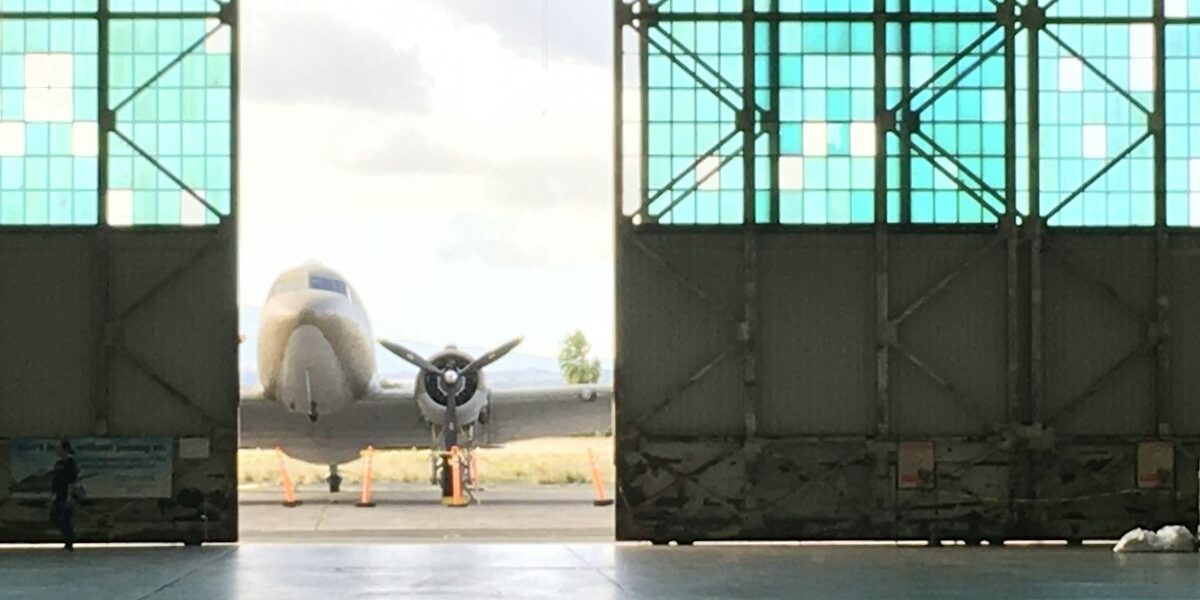
Exploring the Market for Plane Hangars: What You Need to Know
Shopping for plane hangars has gotten complicated with all the types, locations, and regulations flying around. As someone who went through the entire process of buying my own hangar—from initial research to closing the deal—I learned everything there is to know about what makes a hangar worth buying versus what makes it a money pit. Today, I will share it all with you.
Aviation isn’t just for commercial airlines and military operations anymore. The growth in personal aircraft ownership has created a robust market for plane hangars. A hangar isn’t just shelter for your aircraft—it’s a crucial asset that ensures your plane’s safety, protects its value, and extends its operational life. As more people join the ranks of aircraft owners, understanding the hangar market becomes essential knowledge.
Types of Plane Hangars Available for Sale
Probably should have led with this section, honestly. Hangars come in several distinct types, each designed for specific needs and budgets. T-hangars are compact individual spaces commonly found at public airports. They’re efficient for smaller aircraft and usually the most affordable option, though maneuvering in and out requires some skill.
Box hangars offer more space and flexibility—perfect for larger planes or aircraft with complex wingspans that won’t fit in T-hangars. Portable hangars made from sturdy fabric or metal frames provide temporary solutions and mobility. They’re not what you want long-term, but they solve real problems when you need coverage quickly or operate from remote locations.
Assessing Your Needs
Your hangar choice should match your aircraft type and how you actually use it. Consider whether you’ll need electrical service for maintenance work, lighting for night operations, or climate control to protect against moisture and temperature extremes. Some aircraft are finicky about humidity—corrosion prevention alone justifies the cost of environmental controls.
Location factors matter too. Proximity to your home affects how often you’ll fly. Being close to fuel, maintenance facilities, and other aviation services makes ownership more practical. These convenience factors influence both cost and availability, so prioritize what matters most for your mission.
Location and Zoning Laws
Location plays a massive role in hangar purchases. Hangars must comply with strict zoning laws and airport regulations designed to ensure safety and operational efficiency. Some jurisdictions have specific requirements about hangar size, distance from other structures, and acceptable noise levels from aircraft operations.
Don’t assume you can build or use a hangar anywhere you want. Investigate local regulations thoroughly before committing to a purchase. Some areas are aviation-friendly with straightforward rules. Others make it nearly impossible to do anything without jumping through regulatory hoops. Know what you’re getting into.
Financial Considerations and Costs
Buying a hangar represents a significant financial commitment that goes well beyond the purchase price. Prices vary dramatically based on location, size, and amenities. Popular aviation hubs command premium prices due to high demand and limited availability. Budget for ongoing costs too—property taxes, insurance, and maintenance expenses add up quickly.
Financing options exist through aviation-focused lenders who understand these specialized properties. They typically offer competitive rates and terms structured for aircraft owners. Shop around and compare options—the difference in financing costs over the loan term can be substantial.
Structural Features and Construction Materials
Construction materials directly affect both durability and long-term costs. Steel dominates the market for its strength and minimal maintenance requirements. It handles weather well and lasts for decades with basic upkeep. Wood offers aesthetic appeal and warmth but requires more maintenance to prevent rot and deterioration.
Polycarbonate panels are gaining popularity for their combination of toughness and light transmission—they let natural light in while protecting against the elements. Assess the structural integrity carefully and consider vulnerability to environmental threats. Wind, snow loads, and rain all stress hangar structures differently depending on your location.
Insurance and Risk Management
Insurance for your hangar is absolutely critical and often more complex than standard property coverage. Policies should cover natural disasters, vandalism, theft, and liability from accidents. Comprehensive insurance extending to hangar contents protects both your aircraft and all the equipment and tools you’ll accumulate.
Work with specialized insurers who understand aviation risks. Generic property insurers often don’t grasp the unique exposures of hangar ownership. Aviation-focused insurance providers can tailor coverage that actually protects you instead of leaving gaps you discover only after filing a claim.
Security Features
Security in aviation is non-negotiable. Your hangar should have robust security systems including surveillance cameras, intrusion alarms, and secure access controls. These systems prevent unauthorized access and theft—aircraft and aviation equipment are valuable and attractive targets for criminals.
Lighting matters for both security and operational safety. Adequate exterior lighting deters intruders and helps with safe aircraft handling during night operations. Interior lighting needs to be bright enough for maintenance work without creating harsh shadows that hide problems.
Buying Process and Legal Aspects
Purchasing a plane hangar involves multiple steps and legal considerations you can’t skip. Engage a real estate agent experienced in aviation properties—they provide market insights and negotiation expertise that general agents lack. They know what hangars should cost and can spot red flags you’d miss.
Legal due diligence includes checking for outstanding liens, verifying clear ownership, and ensuring compliance with all local regulations. Have contracts reviewed by a lawyer familiar with aviation real estate. The specialized nature of these transactions means standard residential real estate contracts often don’t address aviation-specific issues adequately.
Maintenance and Operational Efficiency
Like any property, hangars require regular maintenance to stay functional and safe. Check electrical systems, plumbing if present, door mechanisms, and structural elements periodically. Small problems caught early prevent expensive repairs later.
Enhance operational efficiency by organizing tools and equipment logically. Well-labeled storage spaces reduce time wasted hunting for what you need. Implement a regular cleaning schedule to prevent pest infestations and corrosion from accumulated dust and debris. A clean, organized hangar is safer and more pleasant to work in.
Community and Networking Opportunities
Owning a hangar at a public airport connects you to a community of aircraft owners and aviation enthusiasts. Engage with other pilots, participate in local aviation clubs, and attend fly-ins. These communities provide tremendous value beyond just social interaction—members share maintenance tips, recommend mechanics and suppliers, and organize group flights.
That’s what makes hangar ownership endearing to us aviators—it’s not just about the physical space, it’s about joining a community of people who understand why we spend our time and money on aircraft. Being part of that community greatly enhances the ownership experience and provides support when problems arise.
Considerations for Selling a Hangar
If you’re selling rather than buying, presentation makes a huge difference. Ensure the hangar is clean, in good repair, and visually appealing. Highlight unique features or upgrades that differentiate your property from others on the market. Fresh paint, functioning doors, and organized spaces all make positive impressions on potential buyers.
Understanding market trends helps you set competitive pricing. Consider hiring a broker specializing in aviation properties to manage listings and negotiations. They reach qualified buyers effectively and know how to present hangars to maximize appeal and value.
The market for plane hangars is as dynamic as the aircraft housed within them. Whether buying or selling, thorough research and careful planning ensure successful transactions. Owning a hangar is more than acquiring space—it’s investing in your aviation passion and gaining infrastructure that protects your aircraft while potentially appreciating in value over time.


Stay in the loop
Get the latest wildlife research and conservation news delivered to your inbox.