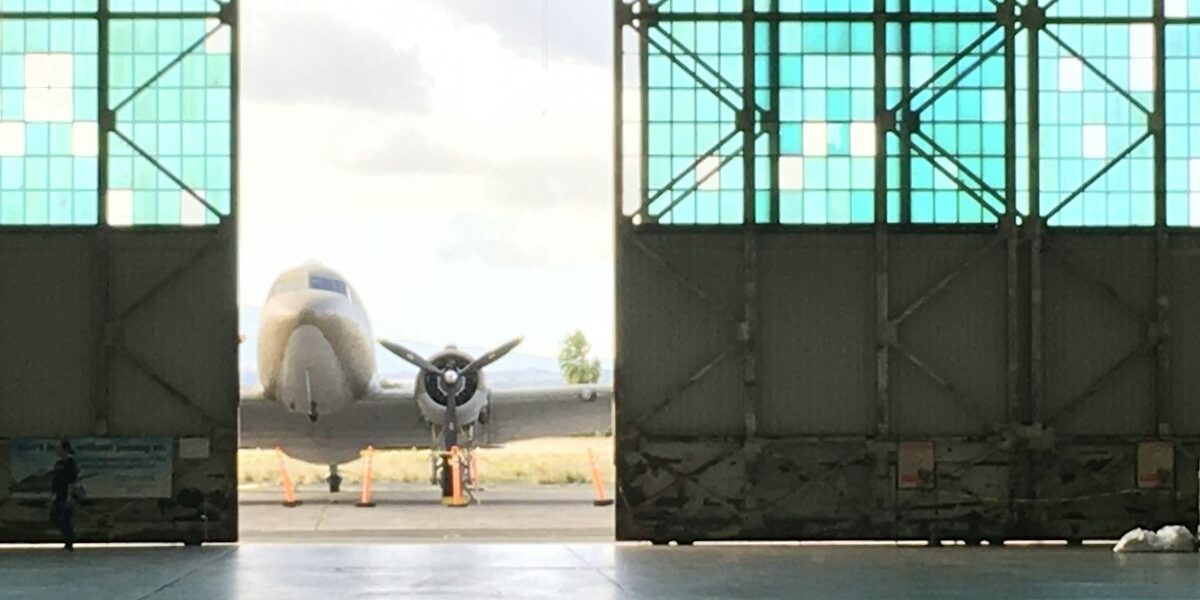
Understanding airport hangar types has gotten complicated with all the configurations, price points, and features flying around. As someone who evaluated five different hangar types before settling on what worked for my operation, I learned everything there is to know about matching hangar options to actual needs. Today, I will share it all with you.
Aircraft hangars come in diverse configurations designed to meet different needs, budgets, and airport constraints. Understanding these various types helps you identify the best option for your aircraft and aviation activities, whether you’re shopping for your first hangar or considering an upgrade from what you currently have.
T-Hangars
Description
Probably should have led with this section, honestly. T-hangars feature nested units where aircraft park nose-in with tails toward individual doors. The distinctive T-shaped design allows wings to interleave between adjacent units, maximizing space efficiency on limited airport land. It’s clever engineering that lets airports fit more aircraft into available space.
Best For
- Single-engine aircraft storage with standard wingspans that fit the configuration
- Budget-conscious owners seeking enclosed protection without premium costs
- Basic storage needs without extensive workshop requirements
- Pilots who want private, lockable space but don’t need a massive facility
Typical Cost
$300-1,000 per month depending on location, size, and local market conditions—generally the sweet spot for value
Box Hangars
Description
Rectangular standalone structures with private entrances and no shared walls with neighbors. Available in sizes ranging from single-aircraft capacity to multi-aircraft facilities with significant workspace. The flexibility is what makes them attractive despite higher costs.
Best For
- Owners wanting dedicated workspace alongside aircraft storage for maintenance and projects
- Multiple aircraft or larger singles requiring more maneuvering room than T-hangars provide
- Those prioritizing privacy, operational flexibility, and customization options
- Pilots who may sublease excess space to other aircraft owners, offsetting ownership costs
Typical Cost
$500-2,000 per month depending on size, amenities, and location—you pay more for independence
Community Hangars
Description
Large open structures housing multiple aircraft from different owners under one roof. Individual spaces may be marked on the floor but aren’t physically divided by walls or partitions. You’re essentially sharing a big barn with other pilots.
Best For
- Lowest-cost enclosed storage option available—hard to beat on pure economics
- Pilots with flexible schedules allowing coordination with neighbors when moving aircraft
- Those who genuinely enjoy the community atmosphere and shared aviation knowledge
- Interim solution while waiting for private hangar availability to open up
Typical Cost
$200-600 per month, significantly less than private options—the budget champion
Shade Hangars
Description
Roofed structures with open or partially open sides providing protection from sun and precipitation without full weather enclosure. Common in warm, dry climates where full protection isn’t necessary year-round.
Best For
- Warm, dry climates where full enclosure isn’t justified by weather conditions
- Budget-priority situations requiring basic protection from sun damage
- Temporary storage solutions while seeking permanent enclosed space
- Locations where UV damage is the primary concern rather than weather
Typical Cost
$150-400 per month, the most economical covered option available
Corporate/Executive Hangars
Description
Large professional facilities designed specifically for business aviation operations, often including climate control, offices, conference rooms, crew lounges, and capacity for multiple aircraft. These are the premium end of the hangar market.
Best For
- Business jet and turboprop operators requiring professional environments
- Multiple aircraft fleet operations serving corporate or charter missions
- Customer-facing aviation businesses requiring a professional image
- Charter operations and dedicated flight departments with staff needs
Typical Cost
$3,000-20,000+ per month depending on size and amenities—serious money for serious operations
Portable/Temporary Hangars
Description
Fabric-covered frame structures that can be erected without permanent foundations. Available in various configurations from simple covers to fully enclosed buildings. Not as permanent as traditional construction but they solve real problems.
Best For
- Airports lacking permanent hangar infrastructure or available space
- Temporary or seasonal storage needs that don’t justify permanent structures
- Locations where permanent construction isn’t permitted by regulations
- Emergency or disaster recovery situations requiring quick deployment
Typical Cost
$5,000-30,000 purchase price; minimal monthly land lease fees thereafter—you own the structure
Condo Hangars
Description
Individually owned hangar units in shared complexes, operating similarly to residential condominiums. Owners hold title to their specific unit and share common area expenses through HOA fees. You’re building equity instead of paying rent.
Best For
- Long-term ownership plans spanning many years—makes financial sense over time
- Pilots wanting to build equity in real estate rather than pay rent indefinitely
- Those desiring custom interior configuration for their specific needs
- Investors seeking aviation real estate opportunities with appreciation potential
Typical Cost
$75,000-400,000+ purchase price plus monthly HOA fees of $100-500—significant upfront investment
Quick Comparison
| Type | Privacy | Cost | Flexibility | Protection |
|---|---|---|---|---|
| T-Hangar | High | Low-Medium | Low | Full |
| Box Hangar | High | Medium | High | Full |
| Community | Low | Low | Medium | Full |
| Shade | Low | Very Low | High | Partial |
| Corporate | High | High | High | Full |
| Condo | High | High (purchase) | High | Full |
Choosing the Right Type
Key Decision Factors
That’s what makes hangar selection endearing to us aircraft owners—it’s finding the configuration that balances our practical needs, budget realities, and long-term plans in a way that actually works for our specific aviation mission.
- Aircraft size: Determines minimum space requirements and eliminates options that physically won’t work
- Budget: Monthly rental capacity versus purchase investment ability—be honest about what you can sustain
- Usage pattern: Flying frequency and scheduling flexibility needs affect which types work practically
- Additional needs: Workshop space, vehicle parking, equipment storage requirements beyond basic aircraft parking
- Long-term plans: Expected ownership duration and potential aircraft changes that might require different space
Each hangar type serves specific needs and budgets effectively when properly matched to your situation. Evaluate your priorities carefully and visit potential spaces before committing—photos don’t capture what it’s actually like to operate from a facility. Select the option that best supports your current and anticipated aviation activities rather than choosing based solely on cost or aspirational features you won’t actually use.




Stay in the loop
Get the latest wildlife research and conservation news delivered to your inbox.