
Exploring the Market for Hangars for Sale Near You
Finding aircraft hangars for sale near you has gotten complicated with all the types, locations, and price points flying around. As someone who spent months hunting for the right hangar within reasonable distance of my home base, I learned everything there is to know about what makes local hangar markets tick. Today, I will share it all with you.
Hangars are essential infrastructure in aviation—they provide shelter and maintenance space for aircraft that simply can’t be replicated by leaving planes tied down outside. Whether you’re a private aircraft owner or managing operations at a small airport, owning your own hangar offers advantages that leasing never will. Understanding your local market dynamics helps you make informed decisions when searching for hangars in your area.
What to Consider Before Buying a Hangar
Probably should have led with this section, honestly. Location is the single most important factor when shopping for hangars. A hangar’s proximity to your regular flight routes dramatically affects both convenience and operating costs. Nobody wants a two-hour drive just to get to their airplane.
Factor in local weather conditions carefully. Some regions experience extreme weather requiring additional structural reinforcements—heavy snow loads, high winds, or hurricane-prone areas all demand stronger construction. The surrounding terrain influences accessibility and safety too. Flat, well-drained land beats flooding-prone low areas every time.
Size matters enormously. Your hangar should accommodate the size and number of aircraft you plan to store with room to spare. It’s not just about squeezing the plane inside—you need storage space for equipment, tools, and spare parts, plus adequate room for performing maintenance activities without cramped conditions.
Structural materials used in construction affect durability, maintenance requirements, and climate control capabilities. Steel dominates for its strength and longevity, though it conducts heat and cold readily. Aluminum offers advantages if you prioritize lightweight construction and corrosion resistance, particularly valuable in coastal environments.
Types of Hangars Available
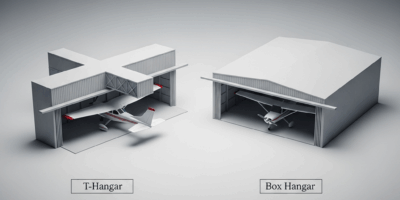
Traditional hangars are rectangular structures built from steel and concrete with large doors. They’re designed for long-term storage and provide excellent protection. T-Hangars feature a unique T-shaped design that efficiently uses space—popular with private aircraft owners at public airports where real estate is limited.
Tension fabric hangars provide flexibility for those who need it. Built from galvanized steel frames with fabric covers, they’re quick to install and can be relocated if necessary. Not as permanent as traditional construction, but they solve real problems when you need hangar space fast.
Inflatable hangars represent innovative but less common options. They offer quick deployment and dismantling for temporary needs, though they don’t provide the same security level as permanent structures. Fine for short-term solutions, questionable for long-term aircraft protection.
The Buying Process
Once you’ve determined your requirements, start researching local listings systematically. Websites specializing in aviation real estate are invaluable resources. Filter results based on your specific criteria—size, location, price range, and features that matter to your operation.
Contact sellers to schedule site visits. Inspect the hangar’s condition thoroughly, checking structural integrity and maintenance history. Pay special attention to door mechanisms—they’re complex, expensive to repair, and critical to functionality. Bring an experienced professional or aviation consultant during inspections. Their trained eye catches problems you’d miss.
Price negotiation is expected in hangar transactions. Research comparable sales in your area to ensure you’re paying fair market value. Factor in additional costs beyond purchase price—local property taxes, insurance premiums, and any association fees if the hangar is located in private airparks. These ongoing costs significantly affect total ownership expenses.
Legal Considerations
Understanding zoning laws and aviation regulations governing your target area is absolutely essential. Some regions have strict guidelines for aviation properties that limit what you can do. Building codes and environmental regulations affect hangar usability and can require expensive modifications.
Secure all necessary permits before finalizing any purchase. If the hangar is located on airport property, ensure compliance with FAA regulations governing airport tenants. Thorough due diligence upfront prevents legal complications and surprise expenses after closing. Skip this step at your own financial peril.
Financing Options
Hangars represent significant investments that most buyers need to finance. Options include traditional bank loans, specialized aviation lenders, or private financing arrangements. Each has different terms, rates, and requirements. Speak with financial advisors familiar with aviation properties—they understand the unique aspects of these transactions and can guide you toward the most beneficial options.
Some lenders specialize exclusively in aviation real estate and offer terms general banks won’t match. They understand that hangars appreciate differently than residential property and structure loans accordingly.
Benefits of Owning a Hangar
That’s what makes hangar ownership endearing to us aircraft owners—it provides autonomy and control over our aviation operations without restrictions that come with leasing arrangements. This independence is particularly valuable for businesses or operations requiring consistent, unrestricted access.
- Cost Control: Ownership eliminates recurring lease payments that add up significantly over time. You’re also protected from sudden rent increases that landlords impose arbitrarily.
- Investment Potential: Hangar properties near active airports often appreciate substantially over time, offering solid returns on investment when you eventually sell.
- Customization: Owners can modify or upgrade their hangars to meet specific operational needs or incorporate new technologies, improving efficiency and functionality in ways leased spaces don’t allow.
Conclusion
Purchasing a hangar near you represents a strategic move for anyone serious about aviation. The process demands careful consideration of multiple factors—location, size, construction type, legal compliance, and financing options all play critical roles. By understanding your needs and thoroughly researching your local market, you can secure a hangar that delivers long-term value, protects your aircraft properly, and provides operational benefits that justify the investment. The right hangar becomes infrastructure supporting your aviation activities for decades.



Stay in the loop
Get the latest aircraft hangar finder updates delivered to your inbox.